Table of Contents
Imagine your next trip where you haggle in a bustling souk at noon. Then, sip mint tea by the sea at sunset. And, you can even reach the edge of the Sahara before the week ends.
Morocco is fast-paced but also peaceful. You can quickly move from the lively medina streets to quiet landscapes. You won’t feel rushed at all.
This travel guide is for U.S. travelers who want clear choices. You’ll find practical tips for planning your trip. Whether you like a private driver, small-group tours, or traveling alone, we’ve got you covered.
Discover the top things to do in Morocco and the best places for first-time visitors. We’ll also dive into Marrakech and suggest cultural experiences like hammams and cooking classes. Plus, outdoor adventures from the Atlas Mountains to the coast and smart Sahara routes.
This guide will help you plan a trip that’s bold, balanced, and achievable. You’ll learn how to pair cities with day trips and make smart decisions to save time. By the end, you’ll have a trip plan that excites you.
Why Morocco Belongs on Your Travel Bucket List
Morocco offers a unique blend of landscapes in one trip. You can explore from imperial streets to the Atlantic coast, then up to the High Atlas. A good morocco travel guide helps you plan a trip that feels complete, not rushed.
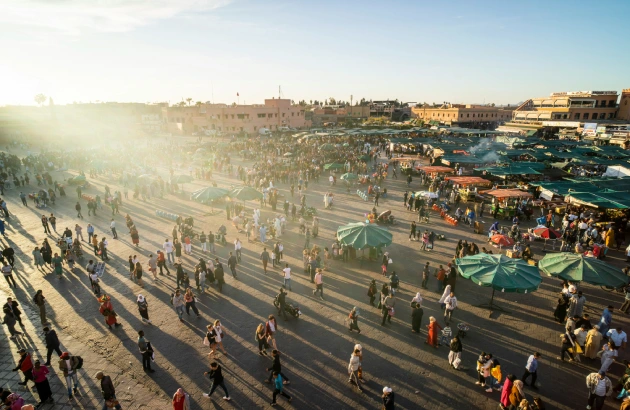
Visiting Morocco’s medinas is a big change. These old towns are car-free, filled with small lanes perfect for walking. The souks are friendly, and saying “no, thank you” is key.
Staying in a riad changes your mood. Behind simple doors, you find tiled courtyards, fountains, and quiet rooms. In Marrakech and Fes, the energy is high, so plan short breaks to keep your days smooth.
When choosing must-visit places in Morocco, start with a time-based plan. Keep your travel days light and pair big cities with quieter stops nearby.
- 5–7 days: pick two hubs, like Marrakech + Essaouira or Fes + Chefchaouen.
- 8–12 days: add an Atlas day trip or overnight, plus a Sahara-edge route.
- Two weeks: connect several cities, loop through the desert, then recover on the coast.
What makes Morocco unique for first-time visitors
The scene changes fast in Morocco. One minute you’re in a quiet alley, the next in a spice-scented market. A good morocco travel guide prepares you for simple norms, like asking before taking photos and agreeing on prices up front.
Guided walks can make your first days easier. You get to explore freely but avoid the stress of wrong turns in busy areas.
How to balance cities, coastlines, mountains, and deserts in one trip
Pair high-energy bases with places that slow your pace. After Marrakech, Essaouira offers sea air and ramparts. After Fes, Chefchaouen has easier walking and long views.
For mountains and deserts, give yourself buffer time. Road distances look short, but drive times add up. If you must visit the Sahara, plan a route that avoids backtracking.
What to know about language, currency, and getting around
Moroccan Arabic (Darija) and Amazigh languages are part of daily life, with French on signs and menus. In tourist areas, English is common, but a translation app helps with ordering, bargaining, and directions.
The currency is the Moroccan dirham (MAD). You’ll need cash for souks, tips, and small cafés, while many places take cards. ATMs are common in cities, so you can pull smaller amounts and restock as needed.
For transport, trains on ONCF work well between major cities like Casablanca, Rabat, Tangier, Marrakech, and Fes. CTM and Supratours buses cover many routes that trains don’t. In town, use petit taxis for short rides, and consider a hired driver for rural or desert legs.
Driving yourself can be stressful near medinas, where lanes are tight and parking is limited. In busy tourist zones, expect common hassles like “helpful” strangers. If you prefer a calmer start, book a vetted guide for your first day, then explore on your own with more confidence.
Things to do in morocco
When planning your trip to Morocco, aim to mix the hustle and bustle of the streets with a few standout moments. Walking, tasting, and taking your time between activities will help you experience the country fully.
Iconic experiences that define your trip
Start by exploring the medina. Wander through alleys, visit souks, and enjoy mint tea on a rooftop as the call to prayer echoes through the streets.
For a truly local experience, stay in a riad and enjoy its tranquility. Don’t miss a traditional hammam, a trip to the Atlas Mountains, and a drive through the kasbah landscapes where the light turns the earth copper.
For a memorable end to your trip, consider an overnight in the Sahara. Whether you ride a camel or travel by 4×4, the dunes at dusk offer an unforgettable experience.
How to choose activities that match your travel style
To find the right activities for you, consider your pace, heat tolerance, and how much walking you enjoy. Choose days that match your style and decide when a guide will be most helpful, like in complex medinas.
- Culture-forward: madrasas, museums, artisan workshops, music nights, and food tours that explain ingredients and etiquette.
- Adventure/outdoors: Atlas hikes, canyon and valley day trips, and surfing or kitesurfing on the Atlantic coast.
- Relaxation: coastal towns, spa time, slow medina mornings, and garden-and-café afternoons.
- Photography: Chefchaouen’s blue alleys, tiled riads, ramparts and ports, and golden-hour dunes.
When comparing activities, think in time blocks. A hammam might take half a day, while a mountain trip is usually a full day. A desert overnight often needs two days on your itinerary.
Quick tips to avoid tourist traps while seeing the highlights
For medina tours and day trips, book through your riad or hotel, or choose reputable guides with clear terms. This way, you’ll spend less time negotiating and more time enjoying the sights.
In souks, compare prices, confirm materials, and ask about shipping before buying. Be wary of “free” guiding that turns into pressure sales or a forced stop at one shop.
For street food, look for visible freshness and steady turnover. If a stall is busy with locals and the cooking area looks clean, it’s often a good sign—perfect for trying popular bites between your activities.
Must-Visit Places in Morocco for First-Time Travelers
For a smooth first trip, check out these four spots. They offer city buzz, history, mountain peace, and sea views. Each place shows a different side of Morocco, making your trip easy and enjoyable.
Use the train for big city trips, then switch to a car or driver for the mountains and the coast. Add time for long lunches and slow walks. This way, you’ll see more of Morocco with less stress.
Marrakech essentials: Medina lanes, palaces, and gardens
Marrakech is a feast for your senses. Explore spice-scented souks, tiled courtyards, and palm-lined gardens. Visit early mornings for the medina and late evenings for lively squares.
Take midday breaks for shaded sites like palaces and museums. Marrakech also offers easy day trips to the Atlas. This helps you see more without changing hotels every night.
Fes highlights: Old-world craftsmanship and historic madrasas
Fes el Bali is like a working workshop. You’ll see looms, metalwork, wood carving, and more in a maze of lanes.
The tanneries are intense, so bring a scarf and follow viewing rules. A local guide can add context to madrasas and historic gates, making your visit memorable.
Chefchaouen: The Blue City photo spots and relaxed vibes
Chefchaouen is a calm oasis. Its blue lanes, small plazas, and mountain views offer a break from city noise.
For photos, aim for early light or just before sunset. Be respectful and ask before taking photos of people. Also, step aside if you’re blocking a doorway or steep stairway.
Essaouira: Ocean breezes, ramparts, and art-forward streets
Essaouira is refreshing after inland heat. The Atlantic breeze cools the medina, and the ramparts offer stunning views.
Come hungry for grilled seafood and explore galleries and shops. It’s great as a day trip from Marrakech, but an overnight stay is even better. Enjoy the harbor at dawn and the evening scene.
- Transit logic: Choose trains for major city hops when available, then use a driver for mountain roads and coastal stretches.
- Scheduling tip: Limit yourself to one “big” sight block per day, and leave open time for getting lost, tea stops, and unplanned finds.
Morocco Attractions You Can’t Miss in Marrakech
Plan your day in Marrakech wisely to avoid crowds and heat. Start early in the medina, take a break at noon, and return when it cools down. This approach makes your visit exciting, perfect for first-timers.
Walking is best in the medina, where cars can’t go. For longer trips, use a petit taxi and agree on the fare first. This saves your energy for the best sights.
Jemaa el-Fnaa: Night markets, street food, and live performances
Jemaa el-Fnaa transforms at night. In the day, it’s juice stands and people passing by. At night, it’s grills, drummers, and performers.
Don’t overplan. Walk a loop, then pick a busy food stall. Opt for hot items, check how they’re handled, and have small bills ready.
Bahia Palace and Saadian Tombs: Architecture and history in one stop
Visit Bahia Palace and Saadian Tombs together for a deep dive into Moroccan culture. You’ll see stunning tilework, carved cedar, and peaceful courtyards. They’re perfect for a morning visit.
Go early to avoid crowds and heat. Look up as well as down to see the details. This pairing is great for those seeing Morocco across cities.
Majorelle Garden area: Modern museums and an easy afternoon plan
Start with Majorelle Garden when it opens. Then, explore nearby museums and cafes. The garden paths are short, allowing for a relaxed pace.
Buy timed tickets to skip long lines. Use a petit taxi from the medina to avoid a long walk. Majorelle Garden offers a modern contrast to the old medina, enriching your Morocco experience.
Moroccan Culture Experiences You’ll Remember
In Morocco, culture isn’t just something you look at. You can join it, taste it, and learn it hands-on. These experiences are must-dos in Morocco, blending into your life, not just your photos.
Hammam and spa rituals: How to book and what to expect
A local hammam is a social bathhouse. A spa-style hammam is calmer and more private. Both offer unforgettable experiences when you know what to expect.
Visits usually start with warm steam, then black soap exfoliation, a rinse, and sometimes a massage. Bring your toiletries and ask about swimwear or underwear. Book through a reputable riad or hotel for a smooth first visit.
Cooking classes: Tagine, couscous, and market-to-table shopping
Cooking classes turn meals into hands-on experiences in Morocco. Many start with a market walk, then kitchen prep. You’ll enjoy the meal together, making the day relaxed and personal.
You’ll learn about tagines, couscous, and salads. The real skill is mastering flavors like cumin, paprika, and saffron. These experiences stay with you long after you return home.
Traditional music and storytelling: Where to go for authentic shows
Look for cultural venues and small theaters for live performances. Ask your riad for recommendations. Reserving ahead is wise, espcially on weekends.
Be respectful: ask before filming, follow rules on photography, and tip appropriately. This way, you’ll create lasting memories by sharing attention, not just taking it.
Artisans and workshops: Pottery, leather, weaving, and metalwork
Workshops let you see techniques up close. From pottery to metal lantern-making, you’ll learn a lot. In Fez, tanneries offer insights into leatherwork.
Choose places that welcome questions and show process before pricing. Avoid places that push you too fast. If buying big items, ask about shipping and customs fees.
- Good signs: clear costs, time to browse, and permission to take photos.
- Watch-outs: rushed tours, unclear “special prices,” and no shipping details.
Best Activities in Morocco for Outdoor Lovers
Morocco is more than just busy medinas and tiled courtyards. It offers trails, rivers, and Atlantic beaches for those who love the outdoors. You can find activities from easy half-days to challenging routes, making your trip perfect.
Plan your activities based on the light, weather, and travel time. Pack wisely and start early for quieter paths and better photos.
Don’t forget sturdy shoes, sun protection, and a refillable water bottle. In spring and fall, bring a light rain jacket. For long days, carry snacks and stay hydrated, even at high elevations.
Atlas Mountains hikes: Day trips vs. multi-day treks
A guided day hike in the Atlas Mountains is easy. Start from Marrakech for a few hours on well-known paths. You’ll see terraced villages, walnut groves, and stunning views without the hassle.
Multi-day treks are more challenging. You’ll need layers for changing weather and a plan for food, water, and rest. A local guide can help with routes and conditions, and a porter can carry your gear.
Be prepared for sudden weather changes and thinner air as you climb. Even when it’s sunny, the wind can drop the temperature quickly. These climbs are a must for any outdoor lover’s Morocco trip.
Waterfalls and valleys: Easy nature escapes near major cities
Valleys and waterfalls offer a quick escape from cities. Follow riverside trails, enjoy cafés, and cool off in pools during warm months. These spots are perfect for those who love nature but don’t want extreme adventures.
Leave early to avoid crowds and stick to marked paths. Always pack out your trash and keep noise down near homes and farms. Be cautious when swimming, checking currents and avoiding slippery spots after rain.
Surf and kitesurf: Top coastal towns and seasonal conditions
Morocco’s Atlantic coast is famous for its surf culture, with Taghazout and Essaouira being highlights. Swell brings surfable waves, while wind powers kitesurfing. Winter has more consistent surf, while summer offers lighter waves and steady breezes.
If you’re new, book lessons and ask what’s included. Look for certified instructors, well-maintained gear, and a safety briefing. A good school will match you with the right beach and conditions, making your trip unforgettable.
Sightseeing in Morocco: Historic Sites and Architecture
When exploring Morocco, look beyond the usual views. Notice the thick walls that cool the inside, narrow lanes that block the wind, and private courtyards. These features turn Morocco’s attractions into living history, not just pretty pictures.
UNESCO medinas and what to prioritize with limited time
A medina is the old city, designed for walking and trade before cars. UNESCO-listed medinas are special because they keep rare urban layouts, traditions, and landmarks alive. With little time, focus on a few key spots.
- Enter through one main gate to learn the city’s layout quickly.
- Follow a main souk spine and take a few side lanes.
- Visit a standout site like a madrasa or museum for its beauty.
- End at a viewpoint at golden hour to see the whole medina.
For photos, stand back from foot traffic and avoid doorways. Dress modestly in quiet areas and follow signs, showing respect for homes and mosques.
Kasbahs and fortified villages: What they are and why they matter
Kasbahs are strongholds for rulers or guarded homes. Ksars are fortified villages where families shared walls. Both were built for security and community along trade routes and rivers.
Their earthen architecture is unique, with sun-baked clay and wooden beams. Corner towers and high terraces show how defense influenced design. They’re also a lesson in building that lasts, thanks to climate-smart design.
Roman ruins at Volubilis: How to pair with Meknes or Fes
Volubilis is Morocco’s top Roman site, famous for its mosaics and views. Visit early to avoid heat and crowds. Wear a hat and sturdy shoes for the uneven stone.
Pair Volubilis with Meknes for a day trip. Or, visit from Fes for a longer day. Either way, it’s a great way to see ancient history up close.
Best Morocco Desert Tours: Sahara Experiences That Deliver
The Sahara can be a highlight of your trip for years. But, it needs careful planning. Long drives and varying quality are common. Look for the best morocco desert tours based on the route, camp, and your car comfort.
Adding the desert to your Morocco list is a must. Just pick what fits your schedule and comfort.
Merzouga vs. Zagora: Merzouga offers tall dunes and wide views at Erg Chebbi. It’s a longer trip, perfect for those with extra days. It gives a true Sahara experience.
Zagora is closer to Marrakech and fits tight itineraries. It has rocky scenery and smaller dunes. It’s a good choice for those short on time but wanting desert sunsets.
Camel trekking and 4×4 options: Camel treks are slow and traditional. They let you enjoy the desert’s quiet. Choose a shorter ride for a better experience.
4×4 rides are faster and more comfortable. Look for respectful operators. They should offer calm rides, clean water, and no pressure to upgrade.
Desert camps: Camps vary from basic to luxury. They often include meals and music. Ask about bathroom facilities, like shared or private showers.
For stargazing, a dark moon is best. Bright moons can hide the stars. Camps with low lights and space offer better views.
What to pack for the desert: Pack for temperature swings. Bring layers, a jacket for nights, and closed shoes. A scarf protects against wind and dust.
- Water and electrolytes for hydration
- Sunglasses, sunscreen, and lip balm
- Power bank and a small flashlight
- Motion sickness support if winding roads hit you
- A small overnight bag, with main luggage stored at your hotel or with your driver
Set realistic expectations. The drive can be tough. With smart planning and packing, desert tours become unforgettable.
Where to Eat and What to Try: Moroccan Food Highlights
Food is a great way to understand a place, and Morocco makes it easy to eat well at any price. Think of meals as a daily map: a market snack, a relaxed lunch, and a slow dinner that shows off the country’s best flavors. Many Moroccan culture experiences start right at the table, where you can taste history in everyday dishes.
Expect bold spice, not extreme heat. You’ll notice cumin, paprika, saffron, and cinnamon, plus preserved lemon, briny olives, and fresh herbs like cilantro and parsley. Some classics mix savory and sweet in one bite, which can feel new if you’re used to clear lines between dinner and dessert.
Start with tagines, the slow-cooked stews named for the cone-lidded pot. You can order chicken with preserved lemon and olives, beef with prunes and almonds, or a vegetable tagine that leans on seasonal produce. Couscous is also essential and is often treated as a weekly staple, so ask what day it’s featured if you want it at its best.
For soups and handheld favorites, look for harira, a tomato-and-lentil soup that feels both hearty and bright. Pastilla is worth trying when you see it on a menu; it’s flaky pastry with a sweet-savory finish, often dusted with cinnamon. If you want something fast, grilled meats and kefta (seasoned ground meat) show up in skewers, sandwiches, and simple plates alongside salad and fries.
- Bread is part of the meal: You’ll see round loaves used to scoop and share, so keep napkins handy.
- Mint tea has rules: It’s commonly poured from a height, served sweet, and offered as a welcome. If you want less sugar, ask politely, but expect it to taste rich.
Choosing where to eat gets easier once you know what to scan for. In medinas, pick spots with clear menus, steady local traffic, and visible cleanliness around the kitchen and restrooms. In new towns, you’ll often find more space, quieter dining rooms, and quicker service, which can help if you want a break from the crowds noted in a morocco travel guide.
For street food, use common sense and follow the busiest stalls. Aim for items cooked in front of you and served hot, and skip anything that looks like it’s been sitting out. If you’re unsure, start with fresh bread, grilled skewers, or made-to-order eggs.
If you have allergies or dietary needs, keep your requests short and specific. Ask if a dish contains nuts, shellfish, or dairy, and double-check broths and sauces, which may hide meat or butter. Vegetarian-friendly choices are easy to find, like lentils, salads, roasted vegetables, and vegetable tagines, but it’s smart to confirm what’s inside.
To go beyond restaurants, build in small tastings that feel like Moroccan culture experiences without a full schedule. Walk through a food market for olives, dates, and spices, stop at a neighborhood bakery for warm bread, and consider a cooking class so you can shop, cook, and eat with confidence. If you’re already mapping activities in your morocco travel guide, these food moments fit neatly between sightseeing blocks.
Best Time to Go to Morocco: Weather, Crowds, and Festivals
Choosing the right time to visit Morocco depends on the weather and how busy you want it to be. A good travel guide will help you decide based on comfort, cost, and your travel plans.
Before booking your trip, think about the weather. Cities are nice in mild weather, the Atlas Mountains are best when trails are clear, and the Sahara is better when nights aren’t too cold. Also, keep an eye on school breaks and big festivals, as they can make places busier.
Spring vs. fall: the sweet spots for comfortable travel
For travelers from the United States, spring and fall are great. You can explore cities like Marrakech and Fes without the heat. And you can enjoy outdoor cafés without rushing back to your riad.
These seasons are also good for a mix of city tours and hiking. The Atlas Mountains are more stable, and the desert is easier to explore after sunset, which is important for overnight trips.
- Best for: walking-heavy city trips, Atlas day hikes, and Sahara overnights
- Typical trade-off: popular riads fill faster, so you may pay more for top locations
Summer and winter considerations
Summer can be very hot in places like Marrakech and Fes. Plan your sightseeing early, take a break in the middle of the day, and then go out again near sunset when it’s cooler.
If you prefer cooler weather, visit the coast. Essaouira is often breezy, and the Atlantic can make the weather more comfortable. This is great for enjoying markets, seafood, and beach walks together.
Winter brings cooler nights in cities and crisp air in the Sahara. In the Atlas, snow can be beautiful but may slow travel. So, plan extra time between regions.
- Summer tip: start early, pace your medina time, and plan shaded stops
- Winter tip: pack layers for cold evenings, specially for desert camps
Ramadan and holidays: how they affect hours, dining, and logistics
During Ramadan, daily routines change. Some restaurants may close during the day, and shopping starts later. Streets get busier after sunset.
Traveling during Ramadan requires flexibility. Plan tours and meals with extra time. In conservative areas, eat and drink discreetly during the day and follow local customs.
In busy months and holiday weeks, book riads and attractions early. Add extra time for travel days. This helps keep your plans realistic and finds the best time for you to visit Morocco.
Conclusion
Morocco is a mix of contrasts that rewards exploration. You can go from ancient medinas to the ocean’s breeze, mountain paths, and desert skies in one trip. The best experiences in Morocco are found by exploring different places, making each stop unique.
Plan your trip with simplicity by choosing a few bases and smart day trips. Pick a big experience, like hiking the Atlas or a desert tour, and build your trip around it. Leave time for cafes, hammams, and unexpected adventures.
Choose the right season and plan a route that avoids long drives. Book riads, top Marrakech spots, and desert camps early. This way, you can enjoy Morocco’s highlights without feeling rushed.
Travel with respect for the culture to make your experience richer. Dress appropriately in sacred places, ask before taking photos, and view bargaining as a friendly game. By moving at a steady pace, you’ll take home more than just photos—you’ll have memories filled with context, taste, and texture.
FAQ
What are the best things to do in Morocco for a first trip?
Start with the basics: explore a medina, shop in souks, and stay in a riad. Try a hammam for a unique experience. Add a day outdoors, like the Atlas Mountains or the coast. For a memorable trip, include a Sahara overnight stay.
Which Morocco attractions should you prioritize if you only have a week?
Choose two main places and plan day trips from there. Marrakech works well with Essaouira or the Atlas Mountains. Fes pairs well with Chefchaouen and Volubilis. This way, you see the best spots without too much travel.
What are the must-visit places in Morocco for first-time travelers?
Marrakech is great for its energy and gardens. Fes is known for its craftsmanship and history. Chefchaouen offers a calm mountain experience. Essaouira is perfect for a coastal break.If you want to see the desert, Merzouga or Zagora are good choices. But, plan it well to avoid rushing.
Is Marrakech overwhelming, and how do you enjoy it without stress?
Marrakech can feel intense, but you can enjoy it. Visit early in the day and take breaks in quiet spots. Use petit taxis for longer trips.A licensed guide can help you avoid unwanted sales pitches.
How do you balance cities, mountains, coastlines, and desert in one Morocco travel guide itinerary?
For 5–7 days, pick two bases and do day trips. For 8–12 days, add an Atlas overnight and a Sahara trip. With two weeks, explore more cities, do a desert loop, and relax on the coast.
What should you know about language, currency, and getting around Morocco?
You’ll hear Moroccan Arabic, Amazigh, French, and English. The dirham is the local currency. Cash is key for souks and small vendors.ONCF trains are good for major cities. CTM and Supratours buses cover many routes. Drivers are best for mountains and desert.
What are the best Morocco desert tours, and how do you choose between Merzouga and Zagora?
Merzouga offers towering dunes but requires more travel. Zagora is closer to Marrakech with a different desert feel. Choose Merzouga for dunes, Zagora for a quick desert trip.
Are camel treks ethical, and what’s a responsible way to book desert activities?
They can be, but quality varies. Look for operators that treat animals well and explain what’s included clearly. If you prefer comfort, a 4×4 transfer is a good option.
What should you pack for the Sahara on the best Morocco desert tours?
Pack layers for temperature changes, closed-toe shoes, and a scarf. Bring sunglasses, sunscreen, lip balm, and a power bank. Keep your main luggage safe when possible.
What are the best activities in Morocco for outdoor lovers?
Plan an Atlas Mountains hike or a valley outing. Enjoy the Atlantic for surfing or kitesurfing. Start early, stay hydrated, and wear sturdy shoes and sun protection.
What does sightseeing in Morocco look like beyond markets and shopping?
It’s all about living history: UNESCO-listed medinas, madrasas, kasbahs, and Roman ruins. If short on time, focus on a few key sites. Notice details like tilework and cedar carvings.
What Moroccan culture experiences are worth booking in advance?
Book a hammam, cooking class, or small-group medina tour. Use your ride or a trusted operator for better experiences and less pressure.
How do you avoid tourist traps while seeing the highlights?
Check prices before committing, avoid free guiding, and use reputable sources for tours. In souks, compare quality and ask about materials. Choose busy food spots with visible freshness.
Where should you eat, and what Moroccan dishes should you try?
Try tagine, couscous, harira, pastilla, and grilled kefta. Learn about mint tea etiquette. In medinas, pick restaurants with clear menus and good reviews. For street food, go for hot items at busy stalls.
What is the best time to go to Morocco for weather and crowds?
Spring and fall are best for comfortable walking and outdoor activities. Summer is hot, while winter can be chilly and snowy. Plan around festivals and Ramadan for lively evenings.
Is Morocco safe for U.S. travelers, and what basic precautions help?
Most trips are safe with common-sense habits. Keep valuables secure, be cautious of unsolicited help, and use licensed guides. Build in downtime, stay hydrated, and avoid overpacking for long drives.