Table of Contents
What if the “best” time to travel to Morocco isn’t a month at all—but a window that depends on where you’re going, what you plan to do, and how much heat you can handle?
Morocco travel rewards smart timing. The Atlantic coast can feel cool and breezy, while Marrakech is warm and dry. The High Atlas can be snowy when cities are sunny. And the Sahara can swing from hot afternoons to cold nights on the same morocco trip.
This guide helps you match season to itinerary, so your travel to Morocco feels easy instead of exhausting. You’ll learn when crowds spike, when prices drop, and when the weather supports long walks, day trips, and late dinners outdoors—key parts of the best of morocco.
Use this quick shortcut now, then fine-tune it as you read. For the most comfortable all-around touring, aim for spring and fall. For better value and lighter crowds, look at winter shoulder weeks, plus smart summer plans on the coast. For dunes and clear skies, prioritize the shoulder seasons, with manageable daytime heat and crisp nights, on your Morocco trip.
Along the way, you’ll get practical help planning activities—medinas, desert camps, hiking, and surf—plus packing tips and booking timing from the United States. That way, morocco travel fits your pace, your budget, and your definition of the best of morocco.
Key Takeaways
- There isn’t one best month for travel to Morocco; the right timing depends on your route and comfort level.
- Spring and fall are usually the easiest seasons for a well-rounded morocco trip.
- Winter can mean lower costs and fewer crowds, with colder nights—especially outside major cities.
- Summer works best with heat planning, coastal stays, and early starts for sightseeing during morocco travel.
- Desert trips feel best in shoulder seasons, when days are manageable and skies are often clear.
- You’ll get a region-by-region approach to build your own best of morocco schedule.
How Morocco’s Climate Shapes Your Trip Timing
Morocco has microclimates that change quickly as you move around. To plan better, think of the country in zones like coast, city, desert, and mountains. This way, you can avoid relying on a single weather forecast.
By focusing on these zones, you can plan your day more effectively. You’ll know when to take walks, go on day trips, and enjoy meals outside. This approach helps you make the most of your time in Morocco, focusing on the attractions that truly interest you.
Atlantic Coast vs. Inland Cities: What Changes and Why It Matters
The Atlantic Ocean cools places like Casablanca, Essaouira, and Agadir. This means milder summers and gentler winters. In contrast, cities like Marrakech and Fes have hotter afternoons and cooler nights.
This difference impacts your plans. You might want to pace yourself differently in the medina and choose the best time for tours. By exploring both coast and city, plan for lighter days inland and longer outdoor times by the sea.
Desert Conditions in the Sahara: Temperature Swings and Wind
In the Sahara, near Merzouga or Zagora, the temperature can drop sharply at night, even in summer. Wind can also make sandstorms, dry your lips, and reduce visibility during dune walks.
Desert camps vary in comfort, with some better suited for cold nights. Camel treks are usually done early morning or late afternoon. This affects how you fit desert adventures into your Morocco trip.
High Atlas Mountains: Snow Season, Hiking Windows, and Road Access
The High Atlas Mountains can change seasons quickly. Winter brings snow and cold, while spring and fall offer better hiking weather.
After storms, road access can change, especially to trailheads and mountain towns. If you’re visiting the mountains, plan extra time and match your route to the season and your fitness level.
How Humidity and Heat Impact Comfort on a Morocco Holiday
Coastal areas can feel humid, even in moderate temperatures. Inland, the heat is dry and can drain your energy quickly, especially in the afternoon.
- Start early for major sights and save markets for later hours.
- Plan a midday pause, especially in Marrakech and Fes.
- Consider riads with air conditioning if you’re traveling in warmer months.
- Pick hammam timing by season—cooler months feel better for long heat sessions.
Morocco Travel: The Best Seasons for Comfort, Crowds, and Value
Your timing affects everything from walking comfort to hotel rates. The best time often falls in the shoulder seasons. These periods offer pleasant weather and fewer crowds.
You can also choose your travel dates based on the type of morocco tours you want. Whether it’s city days, desert nights, or mountain drives, there’s a perfect time for it.
Spring Travel to Morocco: Mild Days, Green Landscapes, and Easy Touring
Spring is a reliable choice for easy travel. In cities like Marrakech and Fes, you can explore without getting tired. Gardens also look vibrant after winter.
This season is great for multi-stop trips. Many morocco tours start frequently in spring. This makes planning easier and more flexible.
Fall Morocco Vacations: Warm Weather, Fewer Crowds, and Great Light
Fall offers warm afternoons without the summer heat. It’s perfect for outdoor meals, evening walks, and photography.
You can mix city visits, Sahara trips, and High Atlas adventures without extreme weather changes. Early fall is a good balance of comfort and value.
Winter Morocco Trip: City Breaks, Desert Nights, and Mountain Snow
Winter is ideal for cultural experiences like museums, hammams, and food. Major cities are less crowded, offering a more relaxed pace.
Nights can be chilly, especially in the desert and mountains. Pack warm clothes and check heating before booking. Winter in the High Atlas brings snow and stunning views, but shorter days and road conditions are important to consider.
Summer in Morocco: Heat Management and Coastal Escapes
Summer is manageable with the right planning. Stay by the coast in places like Essaouira or Agadir. Explore early or late in the day and take breaks for shade and water.
Inland areas and the Sahara can be very hot. Choose shorter trips and stay in cool, air-conditioned places. A slower pace and smart planning can make summer travel in Morocco enjoyable.
Month-by-Month Guide to Planning Your Morocco Trip
Use this month-by-month roadmap to match weather, crowds, and pace to your morocco trip. Small choices, like start times and lodging style, can make a big difference. They can turn a rushed trip into a joyful journey through the best of morocco.
January to March: Cool Cities and Early Desert Tours
January through March is great for those who love cool days for walking and visiting museums. You’ll find fewer crowds, making your trip to Marrakech, Fes, and Rabat more relaxed.
Desert tours are still good, but don’t forget warm layers for chilly nights and mornings. Be flexible, as rain can change your plans. The High Atlas might even see snow, slowing mountain roads.
April to June: Peak “Best of Morocco” Weather for Touring
April to June is the best time for classic tours that mix cities, mountains, and dunes. The weather is perfect, allowing you to explore without worrying about shade.
These months are popular, so book early for your favorite riads and desert camps. Start by securing key nights, then add day trips and food tours as your trip unfolds.
July to September: Summer Heat Strategies and Beach-Friendly Plans
In July through September, the heat is intense inland. Plan your sightseeing for mornings and evenings. Use midday for long lunches, hammams, or rest, especially if you’re adjusting to Morocco’s time from the U.S.
Coastal towns like Essaouira and Agadir are great now, with cool sea breezes and water sports. Choose air-conditioned transport and lodging to stay comfortable while enjoying the best of morocco.
October to December: Shoulder Season Deals and Festival Energy
October and November offer pleasant days for inland routes, making drives and market visits smoother. You might find better deals than in peak times, with plenty of itinerary options.
By December, nights get cold, especially in the desert. Pack layers and a warm sleep set. Holiday travel can increase demand, so book early and keep your schedule light to enjoy your trip.
Best Time to Visit Morocco by Region and Top Morocco Attractions
Morocco is like a mix of different countries, so timing is key. When you travel, think about the weather, wind, and temperature changes. This way, you can enjoy the sights without getting too hot.
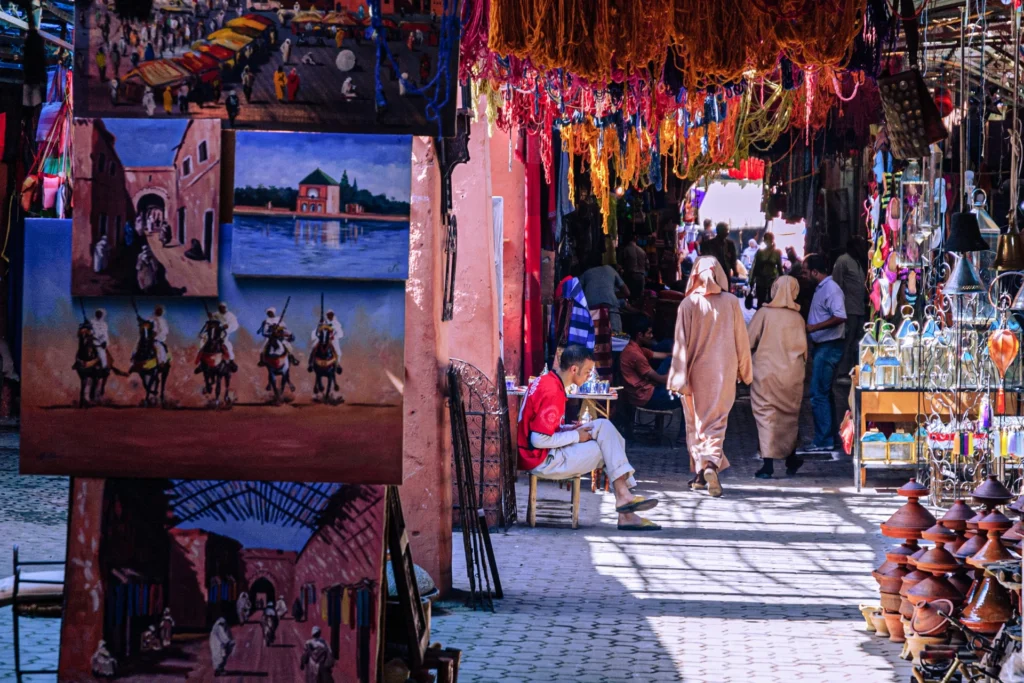
Marrakech, Fes, the coast, and the Sahara have their own weather patterns. Use these tips to plan a trip that’s easy to walk and schedule.
Marrakech: Best Months for Souks, Gardens, and Day Trips
For Marrakech, the best times are March to May or late September to November. You can explore the souks, visit Jardin Majorelle, and still have energy for day trips.
In July and August, start early and take long breaks in the shade. If you’re visiting in peak heat, book a riad with a pool. Save midday for slow meals and cool places.
Fes: Ideal Timing for Medina Walks and Cultural Experiences
Fes is best in spring and fall, when the medina is cooler. The hills and stairs can be challenging, so mild weather helps you keep a steady pace.
If you visit in summer, do guided walks in the morning. Save shopping for later in the day. This way, you can still explore Morocco comfortably.
Chefchaouen: Weather Tips for Exploring the Blue City
Chefchaouen is lovely from April to June and September to October. The weather is perfect for photos, with clear skies and comfortable temperatures.
Rainy days can make the stone steps slippery, especially in winter. Wear shoes with grip to move safely between attractions.
Essaouira and Agadir: Coastal Weather for a Morocco Holiday
Essaouira and Agadir are great in summer. The sea breeze keeps the heat down, making beach walks and café stops comfortable.
The wind can be cool at night. Bring a light layer, and if you kitesurf, you’ll enjoy the steady conditions.
Sahara (Merzouga/Zagora): Best Timing for Dunes, Camps, and Clear Skies
For Merzouga or Zagora, visit from October to April for the best dunes and camps. Summer heat can be too much and unsafe for long trips.
Clear, dry nights are perfect for stargazing. But temperatures drop fast after sunset. Pack warm layers and be ready for wind, as gusts can shift sand.
Festivals and Cultural Events to Plan Around When You Explore Morocco
Timing is everything, from museum hours to café closing times. To really get to know Morocco, check the calendar, not just the weather. Making smart travel choices helps you avoid surprises and catch the moments that make a place come alive.
Ramadan and Eid: What to Expect for Dining, Hours, and Atmosphere
During Ramadan, things change. Restaurants might close during the day, and others serve quietly. Shops open later, and mornings are quieter in the medina.
But after sunset, the streets buzz with food stalls, family outings, and a festive vibe. For travel during Ramadan, plan your day with more breaks. Save your big meals for the evening. Confirm start times and meal stops on your tours to avoid midday hunger.
- Reserve dinner at places used to serving travelers, especially in Marrakech and Fes.
- Carry water and snacks for long drives, within local norms and your comfort level.
- Dress modestly in public spaces and keep voices low near mosques at prayer times.
Music and Arts Festivals: When to Catch Major Event Seasons
Festival weeks transform a city. You’ll see pop-up stages, packed plazas, and more energy in the evenings. Events like the Gnaoua and World Music Festival in Essaouira and the Fes Festival of World Sacred Music are highlights for culture lovers.
These festival dates also mean tighter hotel rooms and higher flight prices. If you’re visiting during a big festival, book riads early and check venue details with your host. Many tours adjust their routes to avoid crowds and road closures.
Religious and Local Moussem Celebrations: Cultural Timing Tips
Moussems are local gatherings tied to traditions, harvests, and spiritual life. They feature markets, processions, music, and horse fantasia. The feel is authentic and less curated.
Dates can change from year to year, so check before booking transport. For travel outside major cities, add buffer time for buses, taxis, and road conditions. Guided tours can add context and help you move respectfully through crowds.
How Holidays Affect Pricing, Availability, and Morocco Tours
Holiday demand spikes, especially during U.S. school breaks, Thanksgiving week, and late December. Prices for flights, desert camps, and riads can jump. Even if you’re traveling at a relaxed pace, last-minute bookings can limit your options.
To keep your budget steady, plan around the events you care about most. Then book lodging and transit to match demand. If you want specific tours, like a Sahara night or an Atlas day trip, book early to avoid disappointment.
Budget, Pricing, and Crowds: Choosing the Right Morocco Vacations Window
Timing is key when planning your morocco vacations. You need to balance U.S. airfare, room rates, and the crowds. Your dates affect what you can book, from cozy riads to Sahara camps.
High Season vs. Shoulder Season vs. Low Season: Pros and Cons
High season means mild weather and clear skies, but prices go up and places get crowded. Many tours sell out early, and midday can be slow.
Shoulder season is ideal for many. You get good weather, more choices, and a relaxed pace. It’s the best time to see morocco without feeling rushed.
Low season offers savings, but you must plan for extremes. Summer heat and winter cold can limit comfort. Some services may run on reduced hours.
When Morocco Tours and Hotels Tend to Be Cheapest
Prices drop during tough weather. Summer heat in inland cities and winter cold in the desert can lead to discounts.
Smart planning can help you save. Visit the coast in summer for cooler days. Save city visits for winter when it’s easier to walk and days are brighter.
How to Avoid Crowds While Still Seeing the Best of Morocco
Managing crowds is about timing. Plan your day around opening hours and natural breaks. This way, you see more with less stress.
- Start early for medinas, museums, and landmark viewpoints.
- Use guide-led or timed experiences when possible on morocco tours.
- Choose quieter medina routes and enter from less-used gates.
- Stay overnight near key stops so you can visit at off-peak times.
Booking Timelines: Flights from the U.S., Riads, and Desert Camps
Book flights from the U.S. for spring and fall early, especially around school breaks and holidays. Riads and desert camps fill up fast, so book early.
If you wait, airfare might still be available, but choices on the ground could be limited. Book lodging first for the best routes. Then, plan your day trips once your base is set.
Best Time for Activities: Hiking, Desert Camping, Surfing, and City Exploring
Planning your trip to Morocco can make a big difference. It’s best to match your activities with the weather and daylight. This way, you can enjoy your time more.
If you prefer a more relaxed pace, plan your days with short outdoor activities. Then, take longer breaks to rest. This strategy helps you adapt to Morocco’s changing weather.
Atlas Hiking and Trekking: Safety, Temperatures, and Trail Access
Shoulder seasons are great for hiking in the Atlas Mountains. The weather is mild, and the skies are clear. You can walk for hours without extreme heat or cold.
After storms, trails might be closed. Always check the weather forecast and road conditions before heading out. Make sure to know about snow at high passes.
- Safety first: start early, carry layers, and plan turnaround times.
- Choose guided routes when visibility, navigation, or river crossings may be tricky.
- Keep a buffer day in case roads close or a transfer runs late.
Desert Camping and Camel Treks: Comfort Seasons and Packing Needs
Desert nights can get very cold, even after warm days. The best time for camping is when the days are warm and the nights are cool.
Bring warm layers and eye protection for sand and wind. For a great desert trip, focus on small, smart choices rather than too much gear.
- Insulation layers for camp, plus warm socks for nighttime.
- Eye protection for gusts and blowing sand.
- Hydration plans: steady sipping, salts, and sun-smart breaks.
Surf and Water Sports: Best Swell and Water Temps on the Coast
The Atlantic coast has strong winds and swell. Cooler months offer better surf, while warmer months are perfect for lessons and beach days.
Wetsuits are often needed, especially when it’s windy. Use the wind to your advantage for kitesurfing and other board sports along the coast.
City Experiences: Medinas, Food Tours, and Hammams by Season
City days are more enjoyable when it’s not too hot. Tour early, take a break for tea or a hammam, and then go out again when it cools down.
In cooler seasons, you can explore medinas and markets at a leisurely pace. For food tours, evening is best when grills are lit and the air is calm.
What to Pack and Wear by Season for Travel to Morocco
When you travel to Morocco, packing smart is key. Weather can change quickly, especially between coasts, cities, and mountains. Think of your bag as a kit for sun, wind, cool nights, and lots of walking. Choose items that can be mixed, repeated, and washed easily without stress.
Layering for Big Temperature Swings (Especially Desert and Mountains)
Layers are essential all year round. A warm afternoon can quickly turn cold in the Sahara or the High Atlas, even during peak Morocco vacation season. A light system is better than one bulky coat.
- Base layer: breathable tees or long sleeves that wick sweat.
- Mid-layer: a warm fleece or light sweater for night markets and early starts.
- Outer layer: a windproof shell for gusty passes and desert breezes.
- Extra warmth: a packable insulated jacket for mountain towns and desert camps.
Footwear and Fabrics for Medinas, Sand, and Cobblestones
You’ll walk more than you think. Medina lanes can be uneven, with slick stone, steps, and tight turns. Supportive closed-toe walking shoes help you stay steady. Bring a spare pair for long days to avoid hot spots.
Choose breathable and modest clothing that handles heat well. Lightweight cotton, linen blends, and quick-dry fabrics are good for warm months. A scarf or shawl is useful for sun, wind, dust, and added coverage.
Sun and Dust Protection Essentials
The sun can be strong in cities and open landscapes, even when it’s cool. Pack high-SPF sunscreen, sunglasses, a brimmed hat, and lip balm. On windy days, especially near dunes or dry plains, a scarf and simple face covering can make your trip more comfortable.
Seasonal Health and Comfort Tips for the U.S. Travelers
Dry air can catch you off guard, so drink water often and add electrolytes on long drives or walking days. If you’re not used to heat, plan shade breaks and keep a small snack handy to avoid energy crashes during morocco vacations. In winter, rooms and camps can feel colder at night than expected, so sleep socks or light layers can help.
For better rest, pack earplugs if you’re staying near busy streets or lively plazas. To enjoy food tours and market bites, wash your hands often, carry sanitizer, and start slow with rich dishes until your stomach feels settled. These small habits help you stay focused on the experience when you travel to Morocco.
Conclusion
The best time for Morocco travel depends on what you want most. If you prefer comfort, plan for spring or fall. The cities are mild, the coast is fresh, and the Sahara is easier to explore.
If you’re looking for value, consider shoulder weeks and smart low-season routes. You can find better rates on riads and flights from the U.S. Plus, popular medinas are less crowded. Some Morocco tours also offer more customization during off-peak times.
Plan your trip around activities for the best experience. Trek when the Atlas trails are open and safe. Camp when desert nights are comfortable, and surf when the swell and water are right for you.
Start by choosing your core regions and matching each stop to its climate. The coast, cities, mountains, and Sahara have different rhythms. Then, book flights from the U.S., riads, and desert camps during peak demand. This way, you’ll find the best time to travel to Morocco that fits your plans perfectly.
FAQ
When is the best time to travel to Morocco for the most comfortable weather?
Spring (March–May) and fall (September–November) are the best times for U.S. travelers. These seasons offer pleasant temperatures for walking, clear skies for sightseeing, and easier travel arrangements.
Is there one “best” month for a Morocco holiday?
No, there isn’t a single best month. Morocco’s weather varies greatly by region. The best time depends on your destination and activities.
How does the Atlantic Coast weather compare to inland cities like Marrakech and Fes?
Coastal areas like Essaouira and Agadir have cooler summers and milder winters. Inland cities, such as Marrakech and Fes, are hotter in summer and cooler at night in winter.
What are Sahara desert temperatures like on Morocco tours?
Sahara desert temperatures can be quite different. Days are warm, but nights can get cold quickly. Wind can also make sandstorms. Tours often go out at sunrise or late afternoon for better comfort and light.
When is the best time to visit Morocco’s Sahara (Merzouga or Zagora) for dunes and clear skies?
October to April is the best time for desert comfort. Days are warm, and nights are cool. Shoulder seasons offer the best balance for dunes, stargazing, and desert camps.
What’s the best season for a “best of Morocco” itinerary that mixes cities, desert, and mountains?
April–June and September–November are ideal for a mix of city, desert, and mountain experiences. You’ll avoid extreme temperatures and enjoy long sightseeing days.
Is winter a good time to travel to Morocco from the U.S.?
Yes, if planned well. Winter is great for city trips, with souks, museums, and food. Just be ready for colder nights in the desert and mountains.
Can you enjoy Morocco in summer, or is it too hot?
Summer can be enjoyable if planned right. Stay on the coast, sightsee early and late, and choose cool lodging. Summer is tough in inland cities and the Sahara, so prioritize coastal time.
When are Morocco vacations typically cheaper?
Prices drop in hot summer and cold winter. Coastal spots in summer and city visits in winter can save money. Smart timing helps stretch your budget without missing out on attractions.
How far in advance should you book flights and riads for travel to Morocco?
Book early for spring and fall to secure top riads and desert camps. From the U.S., booking flights and lodging early ensures better options and planning.
How do you avoid crowds while still seeing the top Morocco attractions?
Start early, tour with a guide, and stay overnight near sights. Shoulder seasons offer less congestion and comfortable weather for exploring.
When is the best time for High Atlas Mountains hiking and trekking?
Shoulder seasons are best for trekking, with stable temperatures and trail access. Winter can be snowy and cold, so plan for buffer time and check conditions.
What’s the best time for surfing and water sports on the Atlantic Coast?
The Atlantic offers strong surf year-round, with cooler water in winter and spring. Wind is great for kitesurfing near Essaouira, but can be chilly at night, so pack layers.
How does humidity affect comfort on a Morocco trip?
Coastal humidity makes warm days feel heavier, while inland heat is drier but intense. Plan breaks, choose air-conditioned riads, and sightsee in the morning or evening.
What should you pack for big temperature swings when you explore Morocco?
Use layers: breathable base, warm mid-layer, and windproof outer. Add a jacket for desert and mountain nights, and supportive shoes for cobblestones and stairs.
What are the key sun and dust essentials for Morocco travel?
Bring high-SPF sunscreen, sunglasses, and a brimmed hat for sun protection. For windy desert days, pack lip balm and a scarf to protect your face from dust and sand.
How does Ramadan affect dining and touring in Morocco?
Ramadan changes dining options and city rhythms. Plan tours with local schedules in mind, confirm restaurant availability, and enjoy evenings after sunset.
Do festivals and holidays change prices and availability for Morocco tours?
Yes, major festivals and holidays raise prices and reduce availability. Book early to secure options, especially during U.S. school breaks and year-end holidays.
Which months are best for Marrakech, Fes, and Chefchaouen city exploring?
Spring and fall are ideal for Marrakech and Fes, with comfortable souk browsing and medina walks. Chefchaouen shines in these seasons, with clearer skies and easier exploring.